
Tabu
A rule so fundamental, so foundational, that it stops you cold.

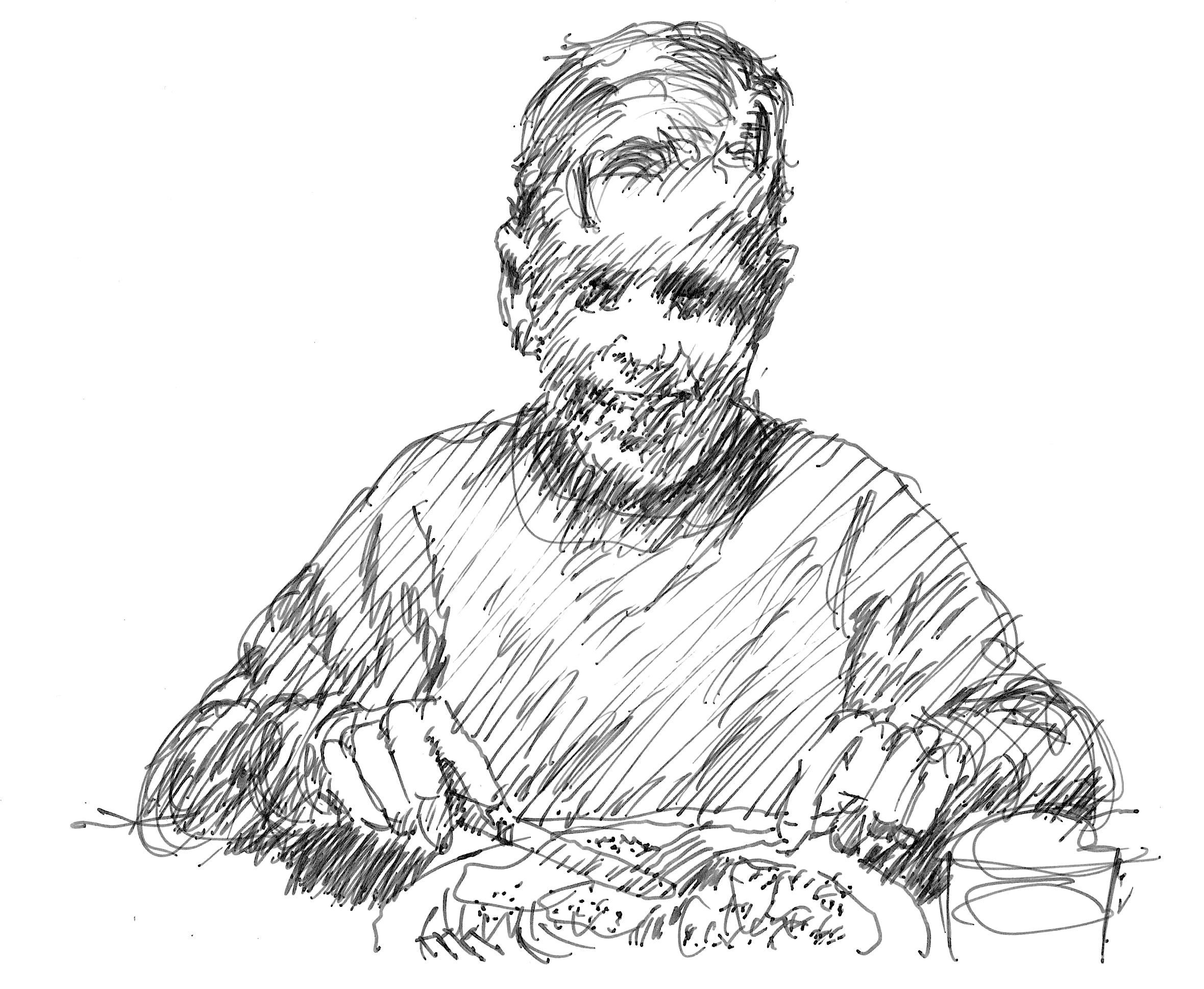
“You can’t blame everything on being adopted,” she said on Facebook.
Shame is what I felt.
Then I remembered — you should be grateful. And the whole list of shoulds came tumbling out.
“They’re good people. Ted and Betty are good, solid, responsible people.”
“Salt of the earth” was the phrase.
“They gave you a good life. Three squares and the clothes on your back.”
“Kept you out of trouble, too.”
“Teddy’s adopted, you know,” Mom liked to say when she introduced me. Why? Maybe to show what a good job she was doing for a needy child. Maybe to distance herself, in case I’d been acting out at church.
“We’re so proud we were able to pay for his braces. That was unexpected,” she’d say, with a smile and a knowing nod.
I tried to be grateful. Knew I should. But mostly I dreamed of escape. The adventure of escape. Dreaming of escape. And actual escape — to the swamp, the forest, the river — or, as a teenager, acting out the fantasy of West Side Story, carrying my six inch stiletto.
Still, at this writing, at eighty, when people who’ve read my story say, “I’m sorry you had that childhood,” I think: it wasn’t so bad, everything turned out okay, I’m a success, I shouldn’t be complaining. And I feel the guilt.
Guilt that I told the story that “wasn’t so bad.”
* * *
“I cried reading your story,” Bob said. Don said the same thing. So did Jenny, and Dana, and others. I was surprised. When I first heard them, I didn’t believe it.
I didn’t doubt their kindness. I doubted the facts had any charge left in them. Seventy years had passed. I thought that much time neutralizes almost anything. I was surprised anyone still felt something.
Then I saw the dampness in Bob’s eyes, telling me what my story had done to him. That’s when I stopped not-believing.
I’ve learned to tell a story that holds people. I can see how engaged listeners are when I read in group. I’m alive. I’m okay. And then I’m embarrassed. I don’t want to tell a rags-to-riches story. Yes, I had some success. That’s not the story. The story is the damage that doesn’t go away, and the story is the strength that came from carrying it.
Then I get a touch of shame from telling it. And guilt at telling it.
I’m proud that my story moves people. I’m proud I could write something people feel. I’m proud my drawings are noted for having a style. Then I remember: those feelings loop right back to my pride at looking good. The cars. The houses. Right back to that — what Aunt Barb would call my “male display.”
But this time it’s different. I know what it feels like when people admire the cars, the house, the persona, those were badges of success, created to be seen a certain way. It’s a hollow kind of admire. This wasn’t that. Nobody was admiring a badge. They were seeing the thing the badge was created to hide — and they weren’t looking away.
* * *
The queasy feeling from deep down — that I shouldn’t be doing this, writing this — is always there. It reminds me of knowing, long ago, that I wasn’t to ask about my birth parents. I don’t remember being told not to ask. I just knew. It sat at the top of the forbidden subjects list, unwritten, unspoken, and absolute.
It was, I suppose, a tabu. A rule so old, so fundamental, so foundational, that it blanketed everything.
Years after my mother died, I did a records search and learned that my birth mother was still alive. I waited until she died to search any further. My restriction was that fundamental. It wasn’t something I decided. It was just there. Not wanting to feel the hurt, hers and mine, was part of it. But mostly, I just wanted it all to go away.
Stuck.
The tabu is still there.
This tabu — and what it costs to finally break it — is the spine of The Work Beneath the Work, out now as an ebook, softcover coming soon.
Thank you Ted. More passion coming forward with truth and complexity. Life is not all one thing, but a mix of completing feelings, so good if you go be exploring them in depth. I say Bravo for the sake of all the feelings that want to be acknowledged, this frees us, this tabu breaking.
Thank you, Ted, for expressing this, because I'm feeling this too. The feelings of guilt: that I shouldn't be telling the truth in my memoir, that my parents will be mad ( my mom has already expressed her unhappiness at my search for my biological father), and that other family members will be mad too. I had the same experience growing up: the feeling of "knowing" it was not o.k. to ask about my father. The tabu around it all and how that makes one feel.